What the law lists, and what it leaves out
The Class A entry in Schedule 2 of the Misuse of Drugs Act 1971 reads "Fungus (of any kind) which contains psilocin or an ester of psilocin". The test is chemical: does the material contain psilocin or psilocybin? Spores are reported to contain neither. The US Drug Enforcement Administration took the same view in a January 2024 letter, adding that the position changes once the material starts to contain those compounds, for example after germination.
That is why owning spores is not in itself a drugs offence. It does not make every use of them lawful. The law simply has nothing to say about a spore until it grows.
Growing is production
Section 4(2) of the Act makes it an offence to produce a controlled drug or to be concerned in its production. Section 37 defines producing as "producing it by manufacture, cultivation or any other method". The CPS guidance repeats the point: "Production includes cultivation."
Cannabis has its own cultivation offence in section 6. Mushrooms do not, so growing them is charged as production of a Class A drug. The maximum is life imprisonment and an unlimited fine. The Sentencing Council has a separate production guideline that courts in England and Wales use.
Two other offences often follow a home grow:
- Possession. Every mushroom harvested is a Class A drug in your possession. The picking exceptions in regulation 4A only protect fungus "growing uncultivated", so they never cover a grow tub or a kit.
- Premises. Section 8 makes it an offence for an occupier or manager to knowingly allow production on their premises. A landlord or tenant who knowingly allows a grow can be caught by it, with a maximum of 14 years.
Grow kits
A grow kit is a box of substrate that has already been colonised by the fungus, or a set of parts meant to be inoculated with spores. Its only purpose is to produce mushrooms or truffles. Before 2005, kits were sold openly in the UK next to fresh mushrooms: the Guardian reported in 2003 that one Portobello Road stall sold both, and that a Home Office licensing officer had told the company it was "not illegal to sell or give away a freshly picked mushroom" or growing kits. The Drugs Act 2005 ended that by making the fresh fungus itself Class A.
Whether the colonised material in a kit already contains psilocin when it arrives depends on the kit and has not been settled by a UK court that we know of. In practice the question is academic: the first flush of mushrooms is a Class A drug, and growing it is production.
Truffle kits are a Dutch product
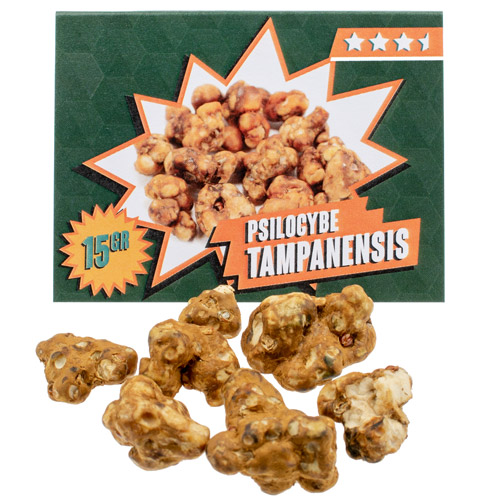
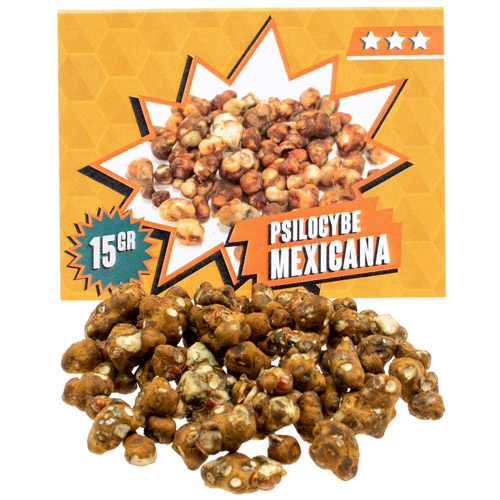
Dutch shops, Dutch-Smart among them, sell grow kits for magic truffles. They are legal in the Netherlands, where fresh truffles fall outside the Opium Act. They are not legal to use in the UK: truffles are sclerotia, a part of the fungus, and they contain psilocybin, so they fit the Class A wording in the same way as mushrooms. For that reason this site does not offer grow kits or spores to readers in the UK.
If you want to try truffles legally, the place to do it is a stay in the Netherlands, with fresh truffles bought there. The Netherlands page explains what that involves, including why none of it can come home with you.
Buying spores from abroad
Spores ordered from another country arrive by post. As long as they contain no psilocin, the import ban in section 3 has nothing to bite on. A culture, a colonised kit or any mushroom or truffle in the same parcel is different: if it contains psilocin, it is a controlled drug, and bringing it into the UK is the import offence under the Customs and Excise Management Act 1979, with a maximum of life.
What to read next