Misuse of Drugs Act 1971
Schedule 2, Part I (Class A drugs), extract
1. The following substances and products, namely:
(a) [...]
Fungus (of any kind)1 which contains psilocin or an ester of psilocin2. Inserted 18 July 2005
[...]
3. Any ester or ether4 of a substance for the time being specified in paragraph 1 or 2 above not being a substance for the time being specified in Part II of this Schedule.
5. Any preparation or other product5 containing a substance or product for the time being specified in any of paragraphs 1 to 4 above. The only route for mushrooms before 2005
-
Fungus (of any kind)
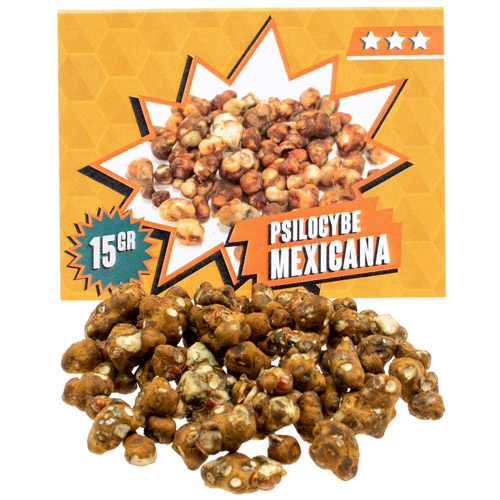
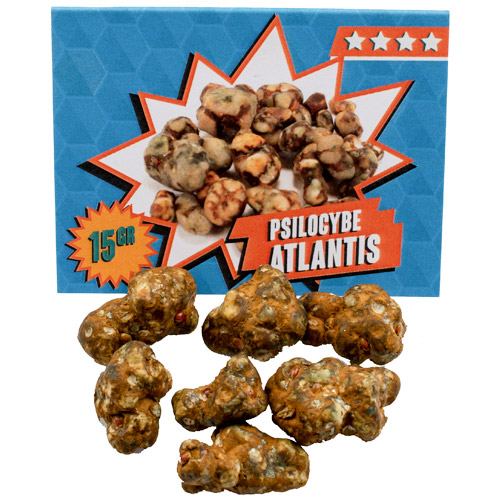
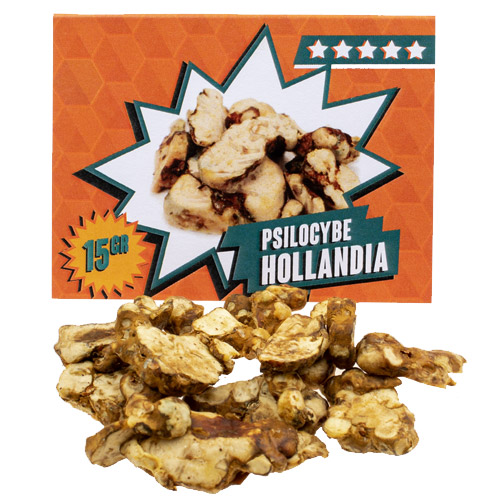
No species, part or form is named. A wild liberty cap, a home-grown mushroom, mycelium and a truffle (the underground sclerotium) all qualify if the chemical test in the next words is met. Fresh, dried, frozen or brewed makes no difference.
-
contains psilocin or an ester of psilocin
The test is chemical. Psilocybin, the main compound in magic mushrooms and truffles, is an ester of psilocin, so a fungus containing either is Class A. Spores are not named and are reported to contain neither.
-
Psilocin
Listed as Class A since the Act was passed in 1971. Until 2005 this entry, with paragraphs 3 and 5, was the only way a mushroom could be caught: the chemical was controlled, the fresh mushroom was not.
-
Any ester or ether
This paragraph brings psilocybin in. It is the phosphate ester of psilocin, so it is Class A through paragraph 3 without needing its own entry.
-
Any preparation or other product
Before 2005 the courts asked whether a mushroom had been altered by the hand of man. Dried mushrooms were a preparation and Class A; freshly picked ones were not. Since 18 July 2005 the question no longer matters.